Ten Ways Self-Driving Cars Will Affect Your Auto Insurance Premiums
Insurance
Tired of paying high monthly car insurance premiums? What if I told you self-driving cars could change all that? Tesla already places thousands of orders a year, just look at Waymo, Google's self-driving car project, which has driven more than 20 million miles on public roads. With this innovative technology, accidents caused by human error could become a thing of the past, potentially reducing insurance premiums for drivers. Yes, that's right, self-driving cars are not only cool, but they might also be good for your wallet.
Additionally, self-driving cars can collect data on driving behavior, enabling insurance companies to offer more accurate and personalized policies. This article looks at ten ways self-driving cars could affect your car insurance premiums. So buckle up and get ready for the future!
Lower accident rate, lower premiums
Self-driving cars have the potential to drastically reduce the number of accidents. According to a study by the National Highway Traffic Safety Administration, 94 percent of car accidents are caused by human error. With self-driving cars, this error is eliminated, resulting in fewer accidents and thus lower insurance premiums.
Software and Hardware Based Awards
As self-driving technology advances, insurers can move from calculating premiums to driver records to the software and hardware of self-driving cars. For example, a vehicle with a higher-rated software system might receive a lower reward, while a car with a lower-rated software system might receive a higher reward.
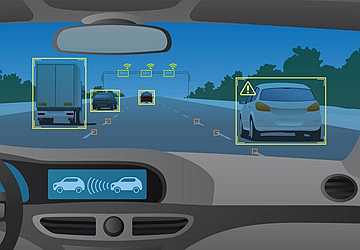
Autonomous features = safer driving
Even if you don't have a fully self-driving car, the new car's self-driving features can still affect your insurance premiums. Vehicles equipped with lane departure warning systems and automatic emergency braking have been proven to reduce the frequency of accidents. Insurance companies can offer discounts to drivers who own cars with these features.
Responsibility shifts from driver to manufacturer
As self-driving cars become more common, responsibility for accidents could shift from the driver to the manufacturer. The manufacturer can be held liable if an accident occurs due to a failure of the self-propelled system. That could lower insurance premiums for drivers because they are no longer to blame for accidents.
Cyber security risk
Self-driving cars could pose new cybersecurity risks as reliance on the technology increases. Insurers may need to consider the possibility of cyber-attacks and offer policies that cover these risks. That could lead to higher insurance premiums for drivers with self-driving cars.
Private issues
The data collected by self-driving cars includes the personal information of drivers and passengers. Therefore, insurers may need to address privacy concerns and provide policies to protect data collected from self-driving cars. This could lead to higher rewards for drivers who prioritize privacy.
Reduce the need for personal insurance
As self-driving cars become more common, the need for personal insurance may decrease. Instead, insurers could instead offer policies that cover the self-driving car's maker and software. This can lower premiums for drivers who no longer need a personal insurance policy.
Reduce the need for insurance adjusters
With self-driving cars, the accident rate would decrease, reducing the need for insurance adjusters. Insurers can rely more on automated systems to process claims, reducing overhead. That could lower premiums for drivers.
Changes in Insurance Regulations
As self-driving cars become more common, insurance regulations may change to accommodate the new technology. Insurers may need to work with government agencies to determine how to regulate and protect autonomous vehicles. This may result in changes to driver premiums.
Rewards are more precise
Self-driving cars can also receive more accurate rewards based on driving behaviour. With the data collected from self-driving cars, insurers may be able to offer more personalized policies based on individual driving behavior. This can lead to lower premiums for safe drivers and higher premiums for risky drivers.
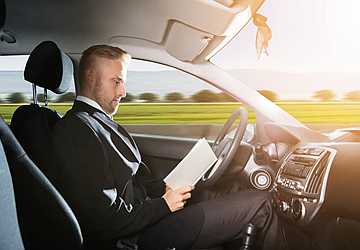
Types of Auto Insurance for Self-Driving Cars
As the technology behind self-driving cars advances, insurers are likely to offer more specialized policies to address the unique risks and benefits of these vehicles. Here are some types of car insurance that apply to self-driving cars:
Product Liability Insurance – This type of insurance covers the manufacturer or developer of self-driving technology in the event a malfunction or defect leads to an accident.
Cyber Security Insurance – Since self-driving cars rely on computer systems and data connections, they are vulnerable to cyber attacks. Cybersecurity insurance can provide protection in the event of data breaches, ransomware attacks, and other cyber threats.
Personal Injury Protection – While self-driving cars are designed to reduce accidents caused by human error, they can still be involved in collisions. Personal Injury Protection (PIP) can help cover medical costs and lost wages for drivers and passengers involved in accidents.
Comprehensive coverage – This type of insurance covers damage to your self-driving car due to non-collision events such as theft, vandalism or natural disasters.
Accident Insurance – Accident insurance will pay for damage to your self-driving car if you are involved in an accident involving other vehicles or property.
Usage-Based Insurance - Usage-Based Insurance (UBI) allows insurance companies to track driving behavior and offer policies based on how often and how often a car is driven. Self-driving cars can collect data about driving patterns and habits, making UBI a potentially attractive option for insurers and drivers alike.
It is essential to stay up to date with the latest insurance quotes and contact your insurance provider to determine the best policy for your self-driving car.
Sum up something
Self-driving cars have the potential to have a huge impact on the insurance industry. With potentially lower accident rates, less need for individual insurance and more accurate premiums, self-driving cars could change the way insurance is delivered and regulated. However, with emerging risks such as cybersecurity and privacy concerns, insurers must also adapt and come up with policies to address them. As self-driving technology advances, it will be interesting to see how the insurance industry responds and how this affects drivers' premiums. However, one thing is certain: self-driving cars will not only change how we drive, but also how we insure our vehicles.
Share this article:
Recommended For You

ADVERTISEMENT