Ten Ways Artificial Intelligence Will Impact the Future of Insurance
Insurance
AI has already proven itself in industries like healthcare and finance, but it's only a matter of time before it takes the insurance world by storm. Have you ever imagined the future of the insurance industry with all the technological advancements? Artificial Intelligence (AI) will revolutionize the insurance industry in ways we never imagined.
Insurance and Artificial Intelligence
Insurance and artificial intelligence (AI) are two fields that are rapidly converging to transform the insurance industry. Artificial intelligence simulates human intelligence processes through computer systems, including learning, reasoning, and self-correction. It's already showing promise in industries like healthcare, finance and transportation, but insurance is poised to be the next frontier for AI.
With the deluge of data generated by the insurance industry, AI can streamline processes, increase the accuracy and speed of claims processing, and even help prevent fraud. This can lead to more accurate pricing and better risk management.
Types of AI commonly used in the insurance industry
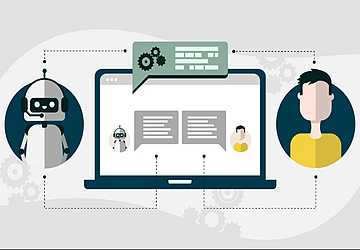
Natural Language Processing (NLP) – NLP analyzes and understands human language, enabling AI to process large amounts of written or spoken data. This can be used in the insurance industry to explain customer inquiries and complaints, automate responses and enable more effective communication.
Machine Learning (ML) – ML is a type of artificial intelligence that allows computer systems to learn from data without being explicitly programmed. In the insurance industry, identifying patterns and trends, analyzing data and making predictions based on historical data is critical.
Computer Vision - Computer vision refers to the ability of machines to recognize and interpret visual information. This can be used for tasks such as image recognition in insurance (e.g. damage assessment), fraud detection and risk assessment.
Robotics - Robotics involves the use of machines to perform physical tasks. In insurance, robotics can be used for claims processing, inspections and risk assessment by analyzing data from sensors and other sources.
Expert System - An expert system is an artificial intelligence system that can make decisions based on rules and logic. They facilitate tasks such as underwriting, claims processing, and risk management in the insurance industry.
Artificial Intelligence and the Future of Insurance
While there are challenges to implementing AI in insurance, such as: ethical considerations and job displacement issues, the potential benefits are enormous. AI will play a key role in shaping the future of the insurance industry. Here are ten ways artificial intelligence will impact the future of the insurance industry;-
Improve customer experience
AI can provide customers with personalized recommendations and services based on their data. For example, chatbots can handle customer inquiries and provide real-time assistance, reducing the workload of customer service agents. A prime example is Insurify, a platform that uses artificial intelligence to compare policies from different companies and make recommendations based on customer data.
Fraud Detection and Prevention
Insurance fraud is a major problem, costing the industry billions of dollars each year. AI-powered fraud detection systems analyze data and detect fraudulent activity in real time. For example, Shift Technology's AI-powered fraud detection platform helps insurance companies prevent fraud by using machine learning algorithms to detect anomalies in claims data.
Predictive analysis
AI analyzes vast amounts of data and provides insights that help insurance companies make better decisions. Predictive analytics can predict customer behavior, identify high-risk customers and improve underwriting accuracy. A good example is Lemonade, an AI-driven insurance startup that uses predictive analytics to calculate risk and process claims in real time.
Improve underwriting
Underwriting is an important function of the insurance industry. Insurance companies use it to determine the risk level of an individual or a group of people. AI can help insurers improve underwriting accuracy by analyzing data from multiple sources. For example, Munich Re, one of the world's largest reinsurers, uses AI to assess risks from natural disasters and climate change.
Automated Claims Processing
Filing an insurance claim can be tedious and time-consuming for customers. AI-powered claims processing systems can automate the entire process, reducing the time and resources required to process claims. A good example is Metromile, a pay-by-mile car insurance company that uses AI to process claims in real time.
Personalized product
AI can help insurers tailor products to the specific needs of individual customers. By analyzing customer data, insurers can offer personalized products that meet their unique needs. For example, Tractable, an AI-powered platform, can help insurers personalize policies by analyzing images of damaged vehicles to estimate car repair costs.
Risk Management
Risk management is an important function of the insurance industry. AI can help insurers identify and manage risk more effectively by analyzing data from multiple sources. For example, AIG, one of the world's largest insurance companies, uses AI to interpret satellite imagery to assess risks associated with natural disasters.
Improve customer retention
Customer retention is critical for insurance companies. AI systems can analyze customer data and provide insights that help insurers improve customer retention. For example, PolicyPal, an AI insurance platform, uses data analytics to provide customers with personalized advice and services, helping to improve customer retention.
Savings measures
AI can help insurers reduce costs by automating manual processes, improving accuracy and reducing fraud. For example, Geico, one of the largest U.S. auto insurers, uses AI to automate the underwriting process, which helps reduce costs and increase efficiency.
New business model
Artificial intelligence drives the development of new business models in the insurance industry. For example, Lemonade is an AI-powered insurance startup that offers peer-to-peer insurance, allowing customers to centralize their premiums and claims. This model encourages clients to act in the best interest of the group, reducing the likelihood of fraudulent claims.
AI can help insurers tailor products to each customer’s needs, thereby improving customer retention. While AI brings many benefits to the insurance industry, there are still potential challenges that need to be addressed. For example, there are concerns about privacy and security, and the potential for artificial intelligence to perpetuate bias and discrimination. Industry must address these issues and ensure that AI is used ethically and responsibly.
We can assume that more AI-enabled solutions will emerge in the coming years. Insurance companies that embrace AI and leverage its capabilities will be well-positioned to provide customers with better products and services, reduce costs, and gain a competitive advantage.
Share this article:
Recommended For You





ADVERTISEMENT